
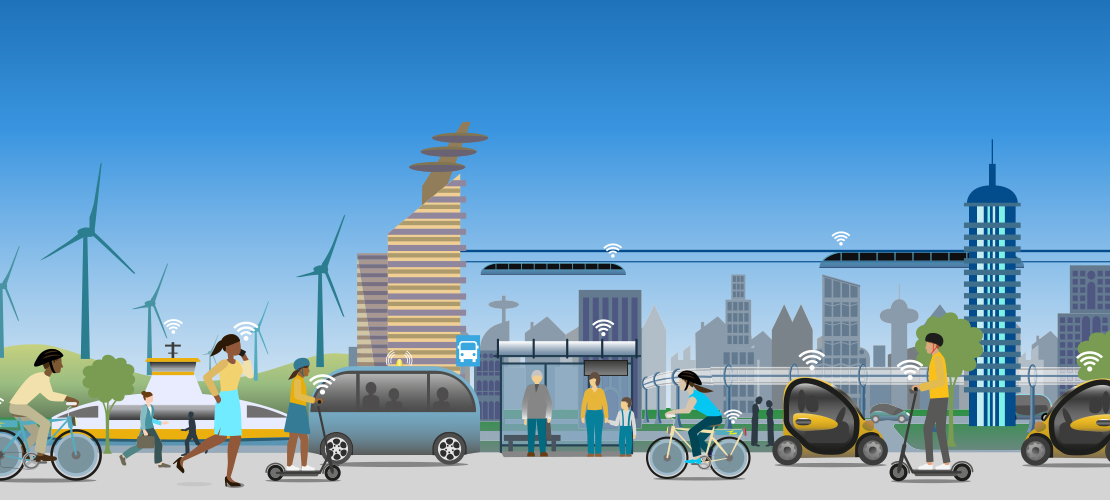
The integration of digital technology is redefining how public transport systems operate, offering new possibilities for efficiency, accessibility, and user experience. As cities grow and mobility demands increase, digital solutions are becoming essential to modern transit networks.
One of the most visible changes is the shift toward seamless payment systems. Contactless cards, mobile wallets, and app-based ticketing are replacing traditional paper tickets, making journeys faster and more convenient. These systems reduce waiting times and simplify transfers between different modes of transport.
Real-time data is another major advancement. Passengers can now access live updates on schedules, delays, and route changes through mobile applications. This level of transparency helps commuters make informed decisions and reduces uncertainty during travel. For operators, data analytics provide valuable insights into passenger behavior, enabling better planning and resource allocation.
Automation is also playing an increasing role. From smart traffic management to autonomous vehicles, digital tools are improving operational efficiency. These innovations can help reduce congestion, optimize routes, and enhance safety across transport networks.
Sustainability is closely linked to this digital transformation. By improving system efficiency and encouraging public transport use, technology contributes to lower emissions and reduced reliance on private vehicles. Smart infrastructure, such as energy-efficient stations and connected transit systems, supports broader environmental goals.
Accessibility is another area benefiting from digital progress. Features like voice navigation, real-time assistance, and inclusive design make public transport more user-friendly for people with diverse needs. This ensures that mobility solutions are not only advanced but also equitable.
However, the transition to digital systems comes with challenges. Infrastructure investment, cybersecurity concerns, and the need for digital literacy must be addressed to ensure successful implementation. Balancing innovation with reliability remains a key priority for transit authorities.
Looking ahead, digitalization is expected to continue shaping public transport in profound ways. As technologies evolve, the focus will likely shift toward creating fully integrated mobility ecosystems where different transport modes connect seamlessly.
This transformation signals a future where public transport is not just a means of travel, but a dynamic, intelligent system designed to meet the needs of modern urban life.