
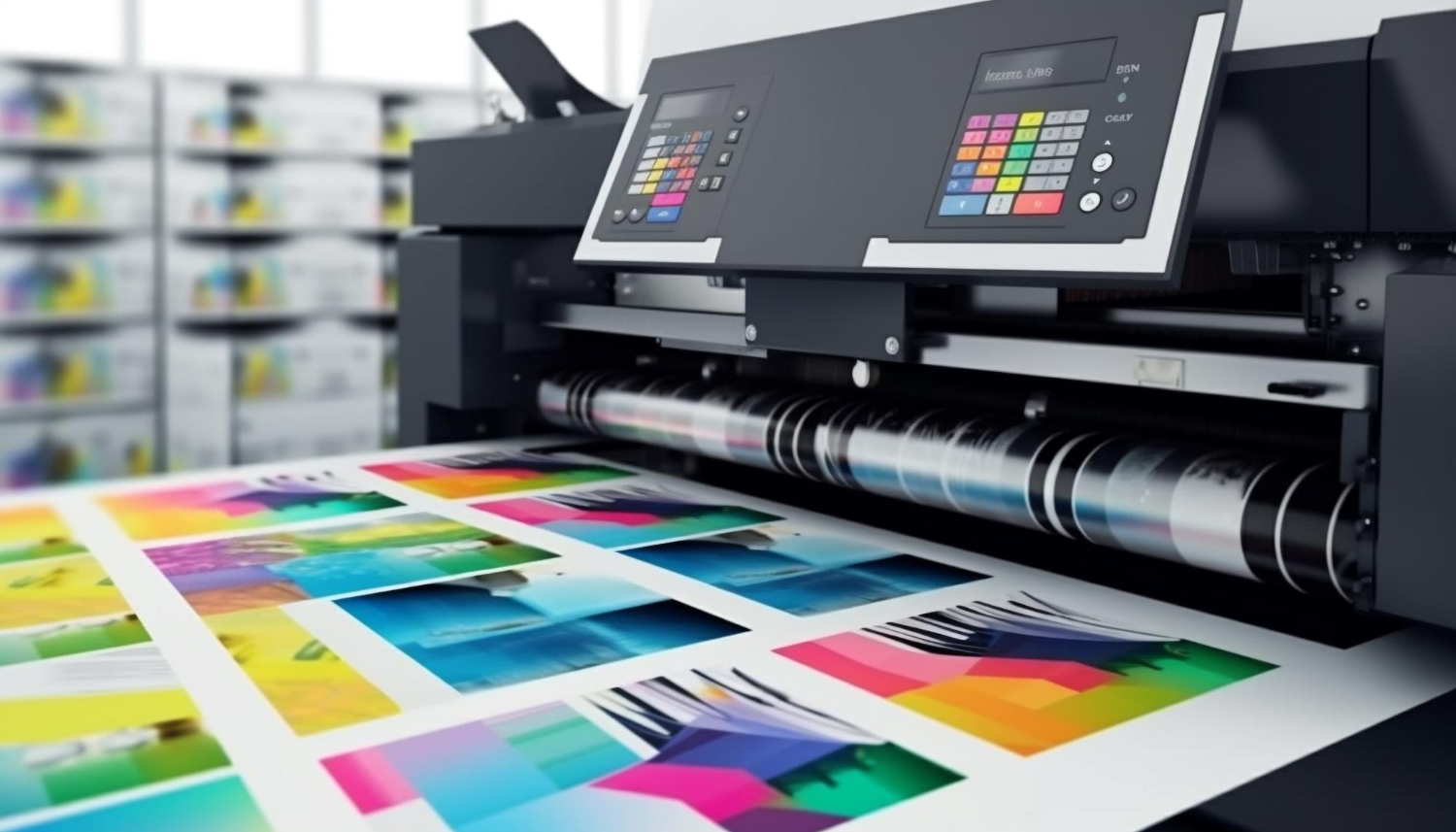
Print advertising remains a compelling method for brands seeking credibility and direct engagement with their target audience. Despite the rise of digital media, magazines, newspapers, brochures, and direct mail retain a unique influence, offering tactile experiences that digital ads cannot replicate. The physical presence of print materials can leave lasting impressions, enhancing brand trust and recognition.
Magazines and newspapers provide targeted reach to specific demographics. Specialty publications allow advertisers to connect with niche audiences, while mainstream newspapers offer exposure to a broader public. Brochures and flyers can convey detailed information, combining visuals and text to educate readers about products, services, or promotions. This level of depth is often difficult to achieve in fleeting digital formats.
Design and creativity are crucial in print media marketing. High-quality imagery, striking typography, and concise messaging attract attention and maintain reader interest. Well-executed layouts can communicate professionalism and establish authority, positioning brands as trustworthy and knowledgeable within their industry. Seasonal or limited-edition print campaigns can also drive engagement and encourage physical collection or retention of materials.
Print advertising can complement other marketing channels effectively. QR codes, promotional offers, or references to social media campaigns can bridge offline and online experiences, creating integrated campaigns that maximize reach and engagement. For example, a magazine ad with a QR code linking to an interactive product demonstration merges traditional and digital strategies seamlessly.
One challenge of print advertising is measuring impact accurately. Unlike digital campaigns, which provide real-time analytics, print often relies on circulation figures, reader surveys, or response tracking to estimate effectiveness. However, with careful planning, creative execution, and integration with other media, print advertising can achieve measurable results while reinforcing brand presence.
In conclusion, print advertising continues to serve as a strategic and influential marketing channel. Its ability to deliver detailed content, reach targeted audiences, and establish credibility makes it a valuable complement to digital strategies. By leveraging design, placement, and integrated campaigns, print media remains a timeless tool for engaging consumers and enhancing brand visibility in a highly competitive marketplace.